

good life : ค้นหาหนังสือธรรมะ หน้า 2 / 35
หน้าหนังสือทั้งหมด
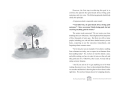
125
The Principle of Good Deeds and Outcomes
However, the first step in achieving this goal is to
convince the parents that good deeds always bring good
outcomes, and vice versa. The following episode should help
clarify this principle.
A layper
The text discusses the principle that good deeds lead to good outcomes, as illustrated by a monk's analogy of planting a banana tree seedling. It emphasizes the need for patience and common sense, exp
133
Understanding the Law of Kamma in Family Dynamics
Part Five: Truth for the Family
caution: We should know the mentality of the people
around us! Initially, they may give us moral support.
But once we advance too far and too fast, they may
become anta
Part Five discusses the significance of understanding the timing and locality of our actions when seeking moral support from those around us. It highlights the Law of Kamma, explaining why good deeds
134
The Role of Parents and Teachers in Moral Training
Suzanne Jeffrey
"The teachers have a double duty, one of moral training and the other of academic training. So how do we solve this problem of teaching children what is good and bad? We train the par
In this text, Suzanne Jeffrey emphasizes the dual responsibility of teachers in academic and moral training. It suggests that parents must also be involved in teaching good habits alongside teachers a
158
Truth for the Family: Living with Purpose
Part Five: Truth for the Family
in our life is to live with purpose or meaning. The more we
perform deeds that are purposeful and good, the more our life
can be considered meaningful. To get the very
Part Five emphasizes that a meaningful life involves purposeful actions. It suggests avoiding evil, maximizing good deeds, and meditating to maintain a clear mind. The state of our mind at death impac

60
ประสบการณ์การทำสมาธิที่วัดพระธรรมกาย
"I like Thailand in general.
There are many interesting things
and places. I like Thai food......I
can eat hot food! It's not hard to
learn the Thai language. Only the
tone is hard to pronounce, the
g
"I like Thailand in general. There are many interesting things and places. I like Thai food......I can eat hot food! It's not hard to learn the Thai language. Only the tone is hard to pronounce, the g
156
Purifying the Mind for a Better Life
3. Purify the mind: Keep one's mind bright and clear
all the time, while inhaling and exhaling. If a person inhales
and does not exhale, that person's life will come to an end.
Death bears no sign of
This text discusses the significance of maintaining a clear and bright mind through inhalation and exhalation as key to life and decision-making. It emphasizes preparing for death by reflecting on pas
25
The Impact of Selfishness and Bias on Society
Selfishness leads to suffering when each person thinks mainly about his or her own benefit rather than giving support, encouragement and material things to others. When problems occur in the family, g
Selfishness and bias lead to suffering when individuals prioritize self-interest over communal support. In families and communities facing problems, this behavior results in conflict. Bias manifests i
46
Teaching Good Deeds for Unborn Children
The Lord Buddha taught that:
1. It is not the end of all things when we die.
2. When you perform good deeds you will go to Heaven.
3. When you perform bad deeds you will go to hell.
4. When you exting
พระพุทธเจ้าทรงสอนว่า ชีวิตหลังความตายยังไม่ใช่จุดสิ้นสุด เราควรทำความดีเพื่อไปสวรรค์และหลีกเลี่ยงการทำบาปเพื่อนำไปสู่นรก เมื่อเราสลัดกิเลสได้หมดสิ้น เราจะได้ไปนิพพาน ในวัฏจักรแห่งการเกิดใหม่ การทำบุญเ
146
The Importance of Teaching Respect and Meditation to Children
Yet there are a number of parents who believe that children should be left free to think and that training them to meditate when they are two or three years old is too restrictive. In this regard, the
Parents strive for their children to become good individuals, but hoping they will learn on their own isn't sufficient. Teaching respect through actions like bowing and politeness, alongside meditatio
65
The Impact of Habits on Our Lives
or frustrated? Feelings are important! Are we giving thanks for that food? Are we feeling gratitude when we are eating? These feelings are acquired, or learned, from generation to generation. Do we pr
The text discusses the importance of feelings like gratitude and the influence of parental habits on children's behavior. It emphasizes the need for meditation to understand life's chain reactions and
95
Understanding Merit and Its Impact on Life
… spent. Like money, the more we spend the less we will have left. The fact that we are enjoying our good life today is because we are “spending” the fruits of our “old” merit. Without creating “new” merit, we …
Merit is an integral part of our personality, bringing satisfaction and contentment while enhancing social grace and self-confidence. It cannot be transferred, as it belongs solely to the individual.
25
Living a Virtuous Life: Honoring Parents
living a virtuous life, showing good respect to them,
speaking to them in a nice and warm fashion, and
taking good care of them. Children should never hold
a grudge against their parents, regardless o
This text emphasizes the necessity of living a virtuous life by showing respect and care towards one's parents. It discusses the importance of not holding grudges against them, illustrating how parent
7
The Impact of Upbringing on Character Development
One day in first grade, Luang Por brought his best friend to his house. His father asked him what his friend's family name was, and after his friend had left, forbade him to associate or play with tha
This narrative illustrates the importance of a good upbringing as exemplified by Luang Por’s life. His father’s strict but wise teachings shaped his character, guiding him in choosing friends and reso

66
Raising Our Children to be Good People
Chapter 10
Raising Our Children to be Good People
In a society saturated with media, many parents are
worried that their children will succumb to bad influences.
How do we protect our children from th
In an age filled with negative media influences, parents worry about the moral development of their children. This chapter discusses effective strategies for raising children with conscience. Key elem
128
Understanding the Law of Kamma in Buddhism
But to be able to control their own behavior, they must
fully understand the Law of Kamma. Then, when there is
the opportunity to commit bad deeds, and nobody is watching,
they will be able to control
The Law of Kamma emphasizes the importance of understanding one's behavior and the effects of good and bad deeds. It is crucial for individuals to realize that good actions usually lead to positive ou
124
Meetings with a Dhamma Master
Meetings with a Dhamma Master
is a more coarse way to judge good and/or bad, we might not have the best way but at least people can live with one another. In addition to custom or tradition, we can a
The text explores how good and bad actions are judged in Buddhism, emphasizing the importance of intention in determining Kamma. It reflects on the historical context of societal divisions due to misu
122
Understanding Wholesome and Unwholesome Actions
as animals, or born into bad places. There are various levels of these: (1) born as an animal (and that includes ANY animal), (2) born as a Hungry Ghost, (3) born as a monster, (4) Go to one of the va
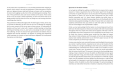
In this text, the author discusses the consequences of actions in life, emphasizing the importance of wholesome practices such as sharing, charity, encouragement, and recognizing the results of both g
15
Understanding the Eternal Punishment of Life and the Role of Educators
In this prison there is punishment. It is not normal punishment like whipping or torture, which comes to an end; the punishment in this prison goes on forever and ever. Ageing, sickness, death and bir
This content discusses the perpetual punishment of existence, highlighting how suffering is inherent in our lives through age, sickness, and basic needs. It emphasizes the necessity for mindful teachi
124
The Teachings of the Lord Buddha on Good Deeds
We highly regard the Lord Buddha to be our ultimate
refuge without reservation-with the knowledge that He was
only human because of His extreme wisdom, His
understanding of how to eliminate the defile
This text emphasizes the Lord Buddha as the ultimate refuge for followers seeking Nibbana. It highlights the importance of good deeds and their outcomes, and discusses the misconceptions surrounding t
125
Understanding Key Buddhist Concepts
"Fools" (palay): spiritually defective people. A fool is someone wicked, weak, or feeble in a moral sense. His discretion is faulty, not knowing right from wrong, good from bad. A fool is one who give
This content delves into various Buddhist concepts such as 'fools'—spiritually defective individuals whose actions reflect moral weakness. It explains that heaven in Buddhism comprises six levels prov